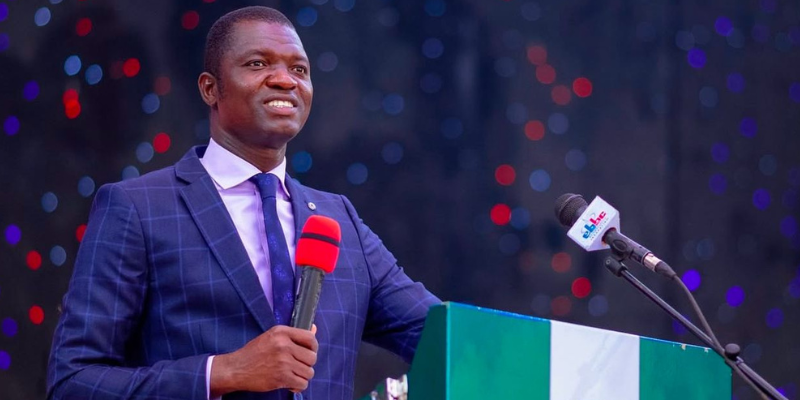
Since Francis Ogbonna Nwifuru’s election into office in 2023, he has anchored his administration on a clear governing philosophy the People’s Charter of Needs. At its core, this agenda prioritizes practical development over publicity, focusing on infrastructure, healthcare, education, economic expansion, and security. Rather than rushing projects for early commissioning ceremonies, the governor has adopted a deliberate “complete-first, unveil-later” approach, ensuring that initiatives reach substantial completion before formal inauguration.
Across Ebonyi State, this philosophy is already translating into visible transformation.
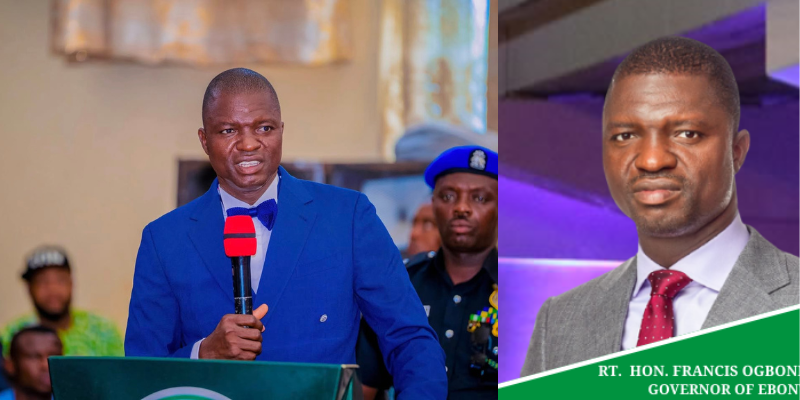
Infrastructure: Connecting Communities, Unlocking Growth
Infrastructure development has been one of the strongest pillars of the Nwifuru administration. Over 700 kilometers of roads have been constructed, rehabilitated, or are ongoing across rural and urban areas. These projects are not merely cosmetic upgrades they are economic corridors designed to connect farmers to markets, students to schools, and communities to healthcare facilities.
Key road projects include:
- 23km Ezillo–Ezzagu Road
- 10.1km Ovudechi Iziogo Road
- 7.23km Iziogo–Ndiokeeda Road
- Ishielu Water Works Road
- Nnorom Street and Udude-Ukwuakpu Street
- 16.7km Randa–Ojiegbe–Otam Road
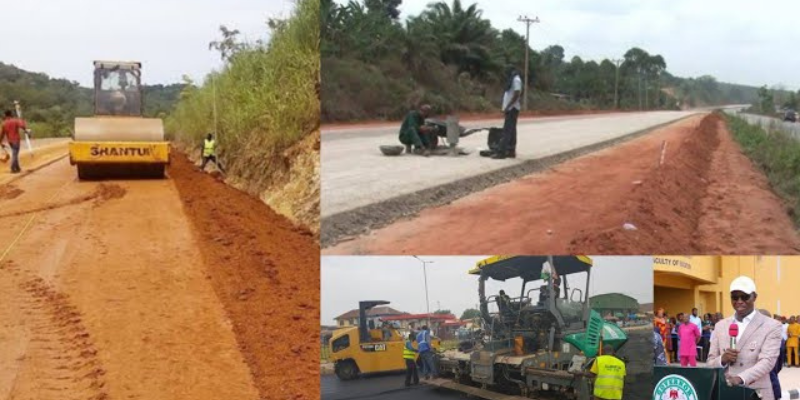
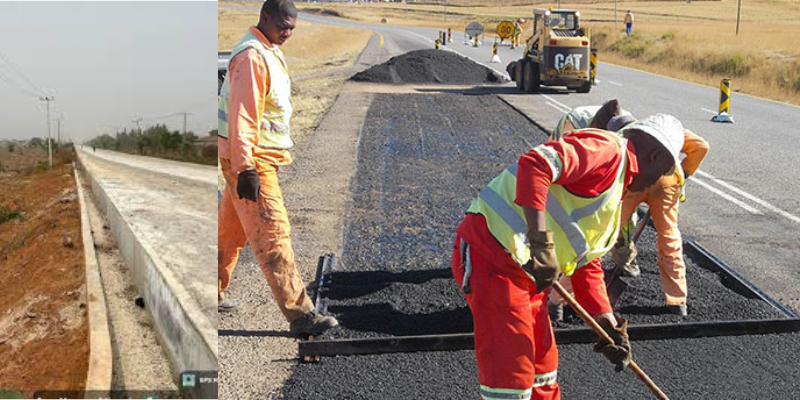
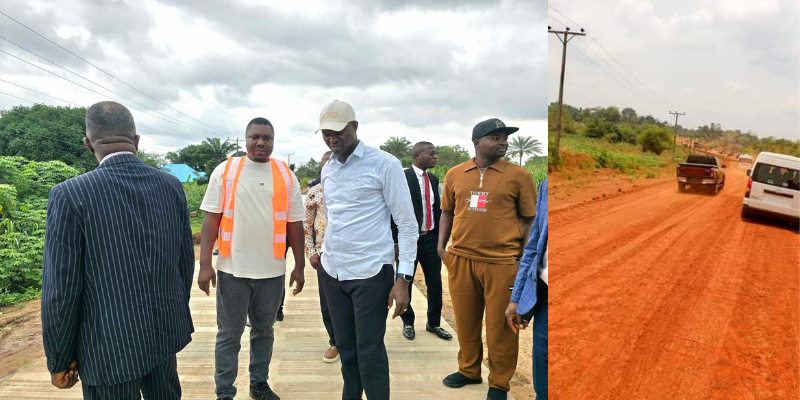
Strategic bridges and township roads are also underway, strengthening commercial mobility and reducing transportation bottlenecks across the state.
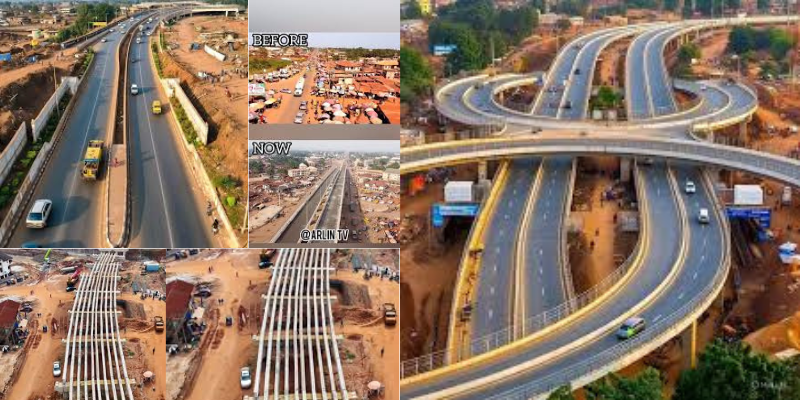
A landmark project currently progressing is the iconic VANCO Flyover and Twin Underground Tunnels in Abakaliki a first-of-its-kind infrastructure in the Southeast. When completed in 2026, it is expected to serve as both a traffic solution and a defining architectural symbol for the state.
Education: Investing in the Next Generation
Education reform under Governor Nwifuru goes beyond policy statements. The administration has embarked on the construction of 39 model secondary schools, equipped with modern classrooms, laboratories, examination halls, and administrative facilities. These schools are designed to elevate learning standards across the state.
Additional reforms include:
- Structural reorganization of the education sector for improved efficiency
- Expanded scholarship opportunities for Ebonyi students
- Infrastructure upgrades at Ebonyi State University (EBSU), including plans for new faculty buildings
- Support systems enabling scholarship students to travel and study with institutional backing
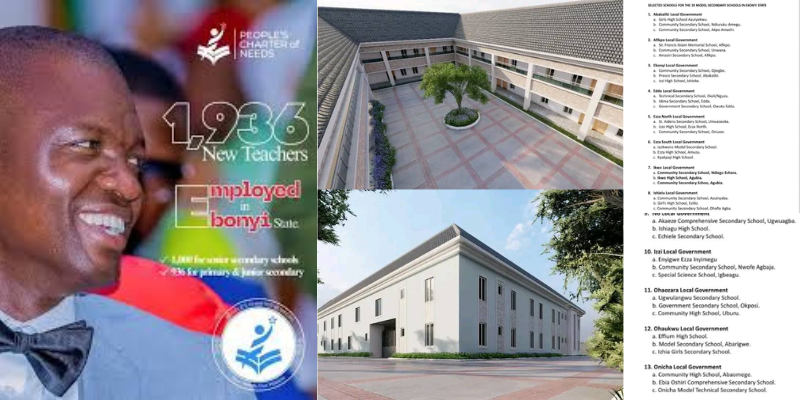
The focus is clear: equip young people with quality learning environments and prepare them for competitive futures.
Healthcare: Expanding Access and Quality
Healthcare delivery has received substantial attention. Within the first phase of reforms:
- 13 general hospitals were equipped with MRI machines and modern medical equipment
- 195 medical officers (including doctors, nurses, and pharmacists) were recruited
- Primary healthcare centers were upgraded statewide
- Free maternal and child healthcare insurance coverage was expanded
- Ambulances and utility vehicles were distributed to general hospitals
- Over ₦10 billion committed to healthcare infrastructure and staffing improvements
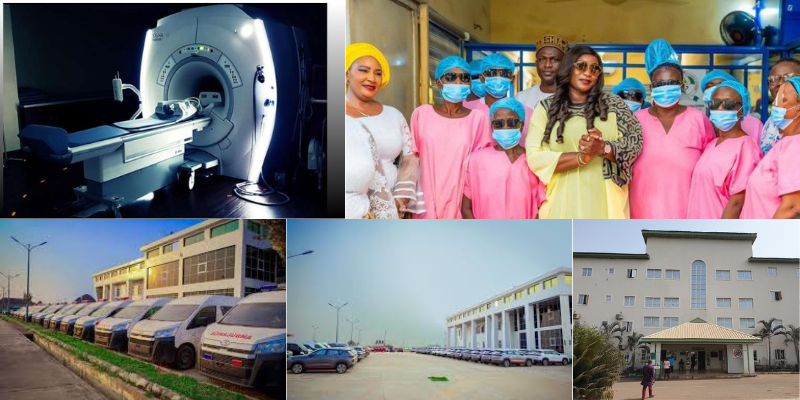
These measures are strengthening tertiary and primary healthcare delivery while making services more accessible and affordable for residents.
Jobs, Empowerment & Economic Growth
Governor Nwifuru’s economic strategy combines infrastructure-driven job creation with targeted empowerment programs.
One of the most visible initiatives is EBOCAB, Ebonyi’s state-backed digital transport system launched in 2025. The initiative modernizes urban transportation, enhances safety, creates employment for drivers, and introduces a tech-driven mobility platform within the state.
Other empowerment efforts include:
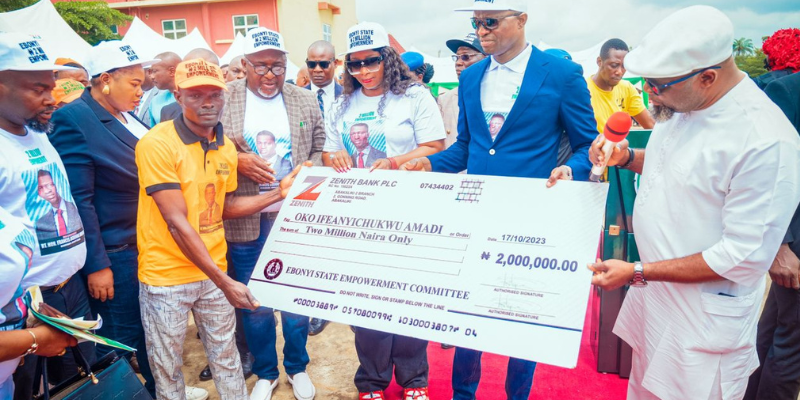
- ₦1 billion empowerment programme benefiting 500 hawkers and small-scale traders
- Broader youth capacity-building programs
- Construction-sector job creation through ongoing projects
- Industrialization efforts such as the planned state-owned cement factory
The proposed ₦884.87 billion 2026 budget, the largest in Ebonyi’s history, dedicates over 84% to capital projects and economic development — signaling a strong infrastructure-first economic model.
Revenue Growth & Fiscal Discipline
Under Governor Nwifuru, Ebonyi State has recorded significant improvement in Internally Generated Revenue (IGR).
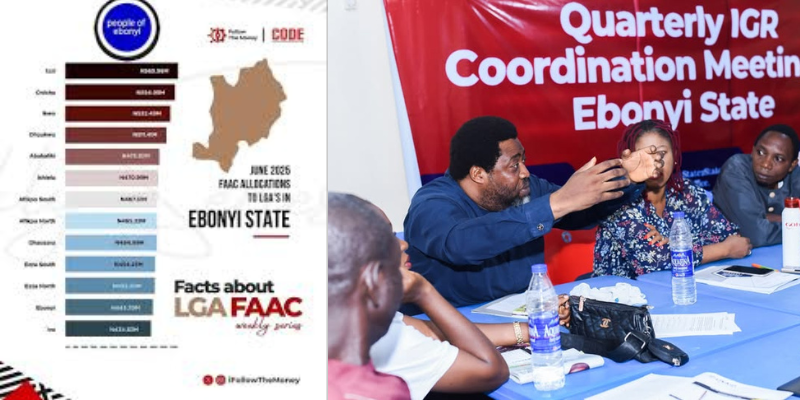
- Monthly IGR, previously below ₦2 billion, reached a record ₦2.1 billion in December 2025.
- Fiscal transparency scores have improved, enhancing investor confidence.
- Budget implementation has been supported increasingly by internally generated funds, reducing dependency on federal allocations.
The administration emphasizes responsible borrowing, with strategic loans tied to revenue-generating projects such as industrial expansion.
Security & Peace Building
Peace and stability remain central to the governor’s governance model. Through community engagement, boundary resolutions, and strengthened security architecture:
- Communal conflicts have been significantly reduced
- Proactive conflict resolution efforts have been implemented
- Recruitment into local security structures, including forest security initiatives, has been approved
- Decisive actions have been taken to maintain law and order where necessary

These measures aim to create a secure environment where businesses can thrive and communities can prosper.
A Strategic Commissioning Wave
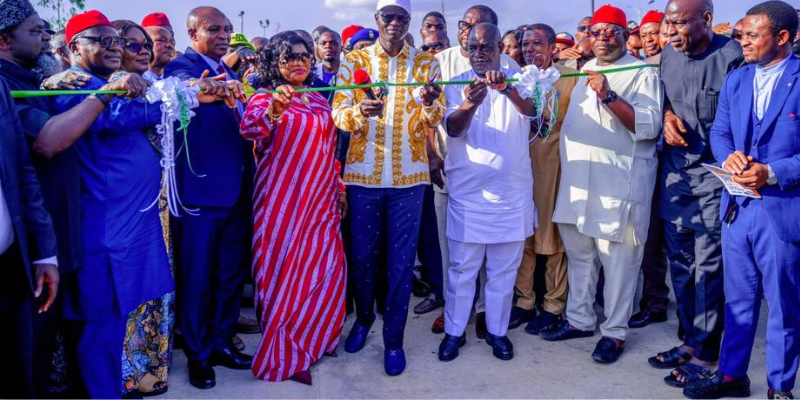
While many projects are already in advanced stages, the administration has scheduled a comprehensive commissioning exercise beginning May 1, 2026, expected to unveil over 30 signature projects. This coordinated rollout underscores the governor’s approach: measurable progress first, celebration afterward.
Conclusion
Governor Francis Ogbonna Nwifuru’s administration reflects a governance style rooted in structure, discipline, and grassroots impact. From road networks to healthcare modernization, educational upgrades, digital innovation, industrial planning, and strengthened security, the “People’s Charter of Needs” is steadily reshaping Ebonyi State’s development trajectory.
Rather than relying on rhetoric, the administration is building enduring systems roads that connect, hospitals that heal, schools that educate, industries that employ, and policies that strengthen fiscal independence.
As Ebonyi moves toward the next phase of large-scale project commissioning, the state stands positioned not only for infrastructural expansion but for sustained economic transformation and inclusive growth.